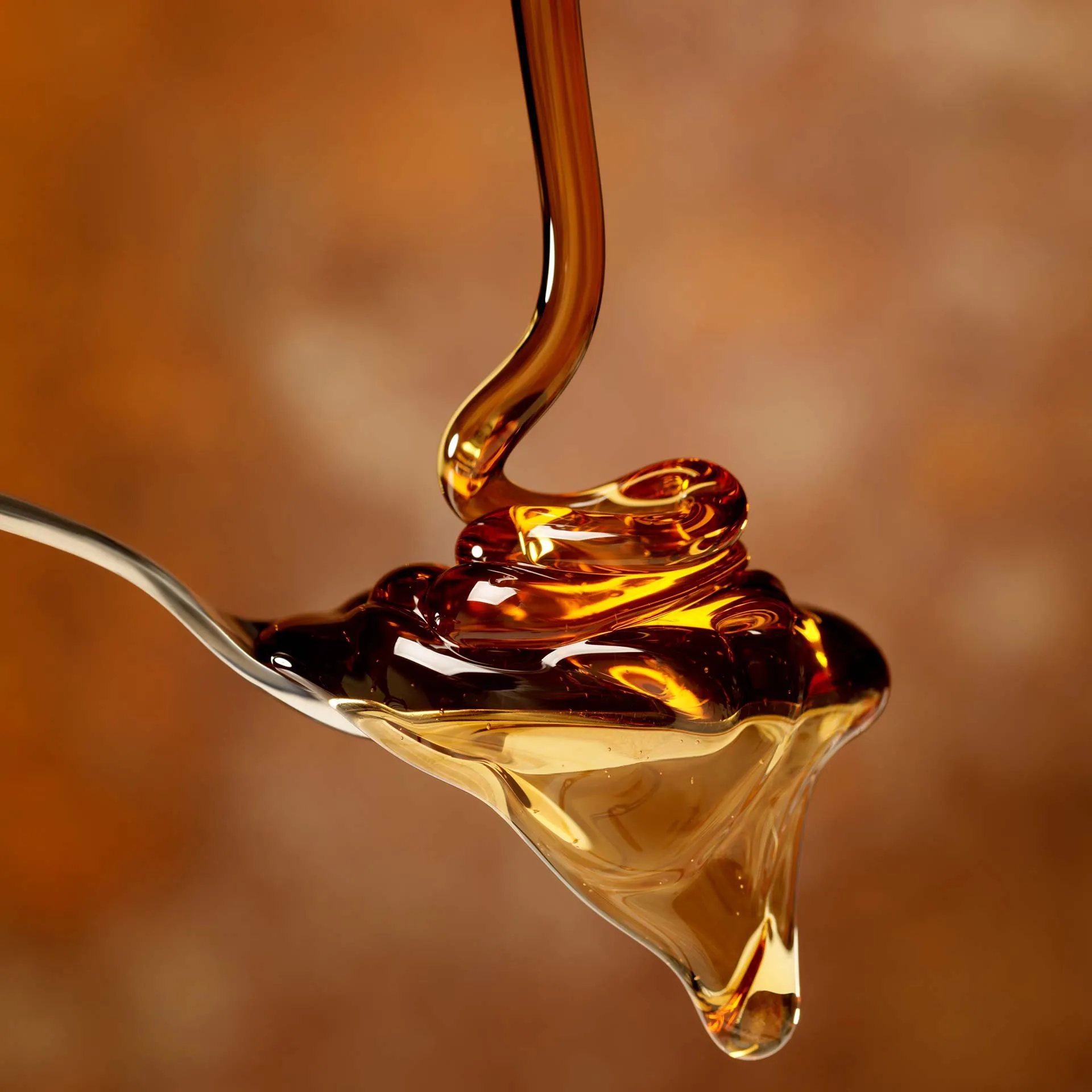
Maple syrup production involves harvesting sap from sugar maples, followed by evaporation to obtain syrup at 66° Brix.
Sugar maples are favored for syrup production because of their sweet sap. Notches are cut in the bark of maple trees to allow the sap to flow out, which is then collected in buckets or tubes connected to the notches. These cuts are made with respect for the trees and the environment.
Sap harvesting takes place during the spring season, generally from February to April, when temperatures fluctuate between night frost and daytime thaw. This practice is most common in regions such as Canada and the northeastern U.S., where climatic conditions favor maple sap harvesting.
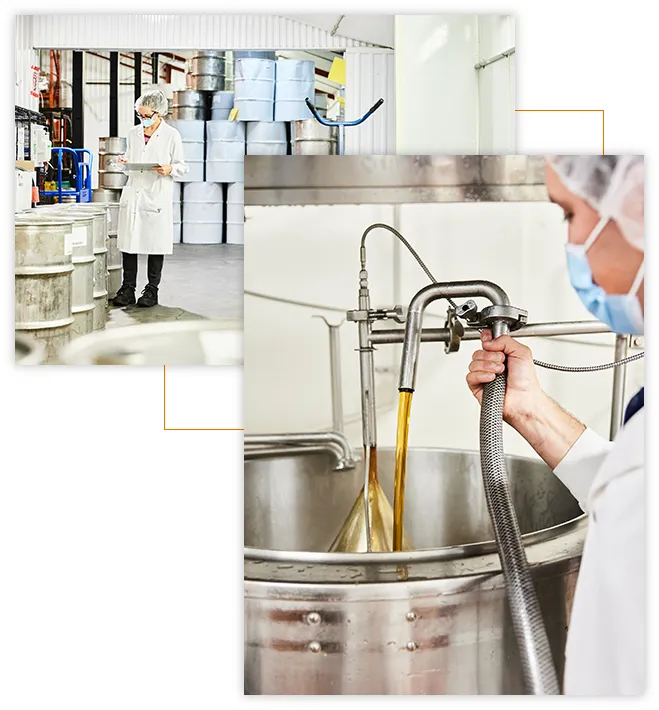
Harvested sap is transported to a sugarhouse, where it is heated in evaporators to reduce the water content and concentrate the sugar. This process is carefully monitored, and the sap transformed into maple syrup is filtered to remove impurities.
As authorized processors and buyers of maple syrup, we receive our raw material in bulk directly from selected producers. Upon receipt, the maple syrup is graded according to density, color and taste. Our experts then prepare the blends for each production run, and the syrup is filtered, pasteurized and cooked according to product parameters.
Quebec has adopted a maple syrup classification system based on identifying the taste and grade of each barrel we receive. Four distinct classes of maple syrup have been created to distinguish between the different colors. Each shade of color brings particular gustatory nuances, offering a rich diversity of sensory experiences within each category of maple syrup.
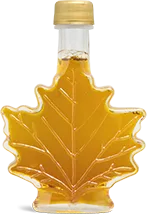
a delicate flavour that evokes a subtle experience in the mouth
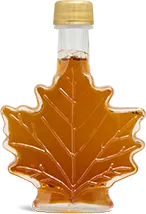
a rich flavor, offering a more pronounced taste experience
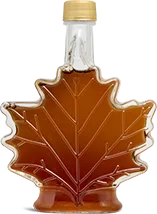
a robust taste, characterized by more intense notes
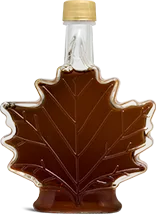
pronounced flavour for a deep, intense taste experience
At Brien Maple Delights, we specialize in the production and bottling of all classifications of maple syrup, guaranteeing a full range of choices to satisfy the diverse preferences of our customers. We also excel in the creation of value-added maple delights, such as maple butter, maple candies, maple jelly, maple taffy, maple caramel and, of course, pure maple syrup.
In our quest for quality and refinement, we specifically use golden and amber maple syrup to make our maple fondants and maple butter, adding an extra dimension of delicacy and richness to these emblematic products.